
My sister and her sweetie ran in the St. George Marathon this fall. You are an inspiration – good for you Cindy and Davie
!
Portfolio

Heather’s Birthday.
Every year on her birthday in August, Heather goes to the beach where she always finds a sand dollar; a gift from the sea.
Portfolio

Fall 2011 Portfolio

I recently finished my oil painting class at the University of Utah. Here are a few of the paintings from my portfolio.
Portfolio

A Time For Thanks

A Time For Thanks
I love the story of the founding of America; the epic tales of people heroic and adventurous.
I love the east coast of the United States; the old cemeteries, houses, churches, the gorgeous expanse of nature – the sea, the forests and fields. The stories of George Washington, the Founding Fathers, the Americans and the British. After the discovery of ancestors through my Mother’s research and my Dad’s genealogies, of people who helped build this great nation, I’ve wanted to share their stories with my grandchildren and family. For you, here are some of your ancestors and their roles in our history.
My children know that I have always had a place in my heart for the Pilgrims. We have several ancestors who arrived on the Mayflower that bitter winter of 1620, more about them later. A few miles to the south, in the Berkley Colony, Virginia; William Tracy was acting as governor. He was from Britain and invested heavily in the American colonies. His family had ruled Europe centuries earlier: Charlemagne, William the Conqueror and others. The Tracys left the throne after Edward I around 1200. They served through the years as knights and sheriffs and in other offices of the law. William went to the Berkley colony to act as governor in 1619, with his wife Sara and two children the year before the Pilgrims arrived. He died there in 1621. His daughter and her husband were killed in the Indian Massacre of 1622. According to historical records, his son survived and was sent back to England to be learn a trade. This is Grandma Nixon’s family.
On the good ship Mayflower, a tiny girl, about a year old was traveling to America with her aunt and uncle. Humility Cooper arrived in Massachusetts and survived that first dreadful winter. Unfortunately her aunt and uncle did not. They died and so did her uncle’s brother and his wife, leaving Humility an orphan again. When she was about 3, she was sent back to England where she grew up, was baptized in the Trinity Church in London and eventually married Christopher Webb, who may be a relative of Shakespeare (I need to do the research.) They ended up back in Massachusetts where she died in 1687.
Stephen Hopkins also sailed to America on the Mayflower. He had been to Jamestown and knew something about that area. He brought his wife and children with him on the voyage. She gave birth to a baby boy, Oceanus Hopkins while at sea, the only baby born on the journey. Another man, Edward Winslow, also shows up in our family history, but the years don’t match, so I’m not sure if he is THE Edward Winslow from the Mayflower. These ancestors are on Grandaddy Layton’s side of the family. All of these courageous and honorable people came to America in the early years, establishing our family in the New World and paving the way for future generations. I am so thankful for their bravery and vision and encourage you to hold them in honorable remembrance at this special time of year. Be strong and do your part in making our country the best place on earth to live, generous and stalwart in keeping God’s commandments.
This is a yummy treat for watching the game or as a fun meal. It’s pretty ugly, be sure to serve it in a bread bowl – at least the presentation is attractive.
SPICY CHEESE FONDUE WITH CRUDITÉS AND CROUTONS
Preheat oven to 350°. Cut off top of bread, reserve top. Hollow out the inside with a small knife leaving a 3/4″ shell. Cut remaining bread into 1 1/2″ cubes. Toast as directed below.
1 round loaf of unsliced sourdough bread; 24 oz., 8- 10 inches in diameter
Combine with mixer
3 C sharp cheddar cheese, grated (12 oz.)
12 oz. Neufchatel cheese, softened
1 C sour cream
1 C green onions, chopped
7 oz. green chiles, diced
1 TBSP jalapenos, diced (optional- this adds quite a bit of fire!)
Spoon into bread, replace lid. Wrap tightly with several layers of heavy-duty foil, place on baking sheet. Bake at 350 for 1 hour, or until cheese is melted. During the last half hour of cooking; toast bread cubes. Remove bread from foil and place on a serving tray. Encircle with vegetables and toasted croutons.
CRUDITES
Broccoli, red, yellow and green pepper strips, radishes, zucchini, mushrooms, jicama, celery, cauliflower
TOASTED CROUTONS
Place in baking pan
2 sourdough bread baguettes, cut into 1/2 ” slices
stir together
1/2 C butter, melted
1/4 C vegetable oil
Place in oven during the last half hour the fondue bakes. Remove when crisp but not dried out.
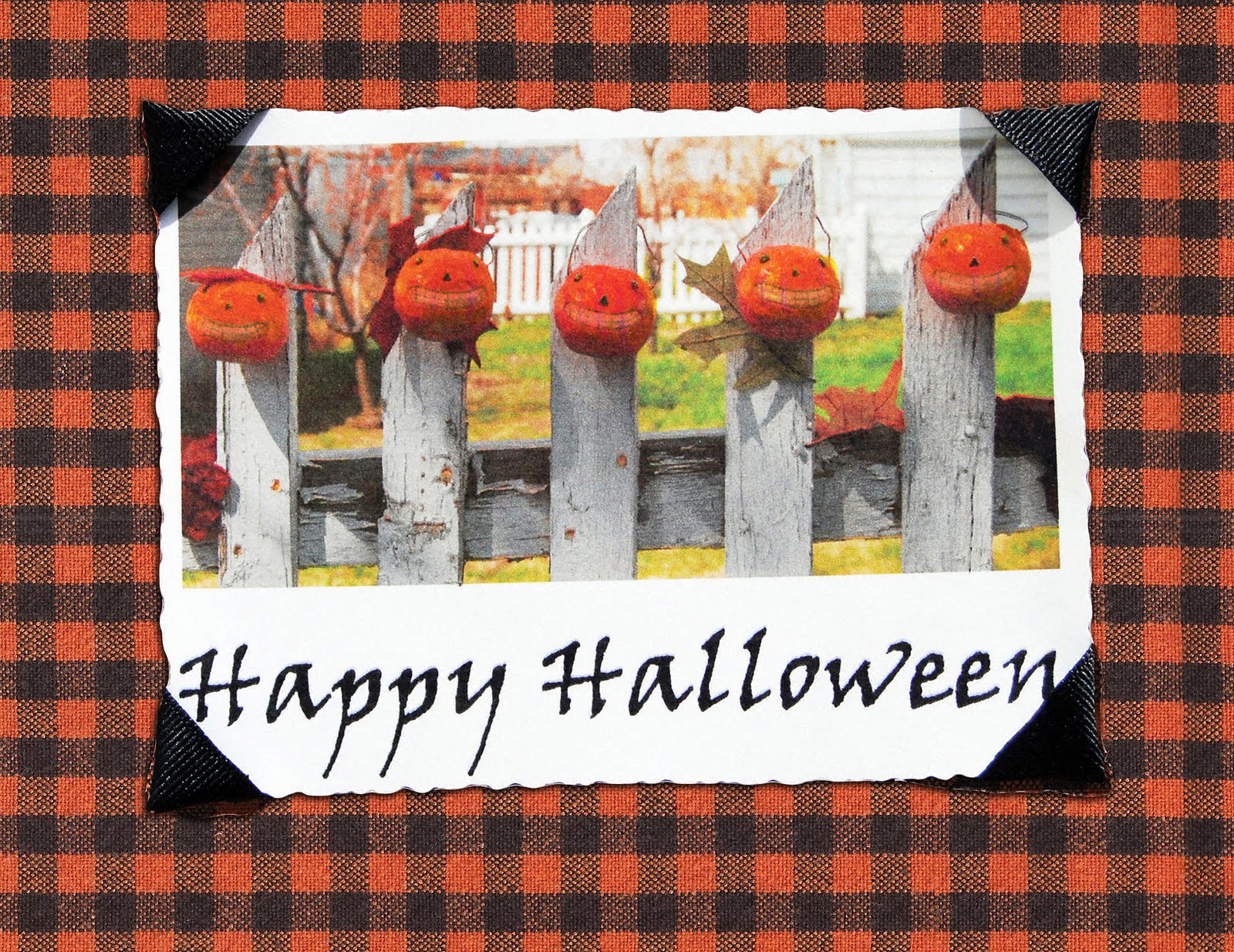
Happy Halloween!

Cheesy Potato Chowder


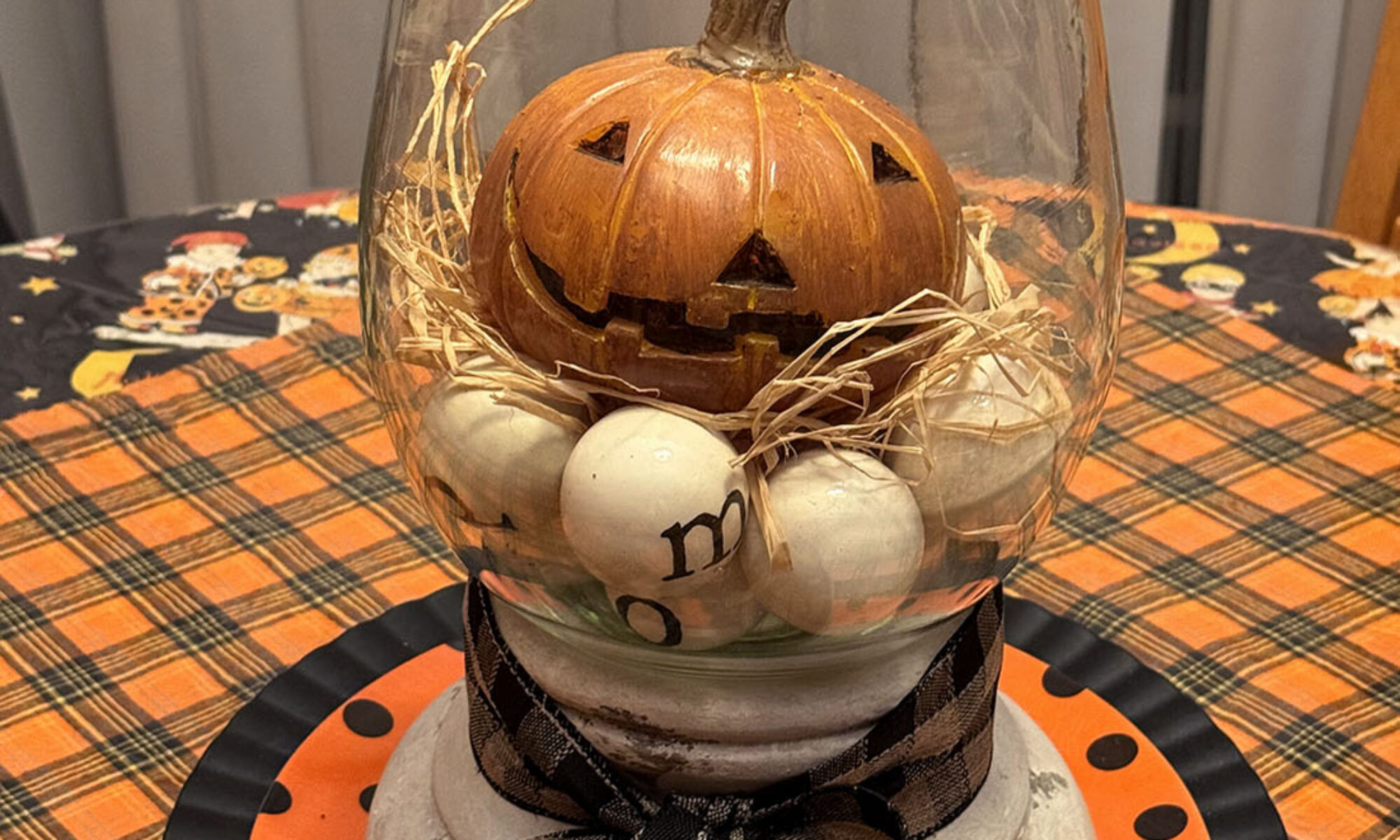
My Little Pumpkin

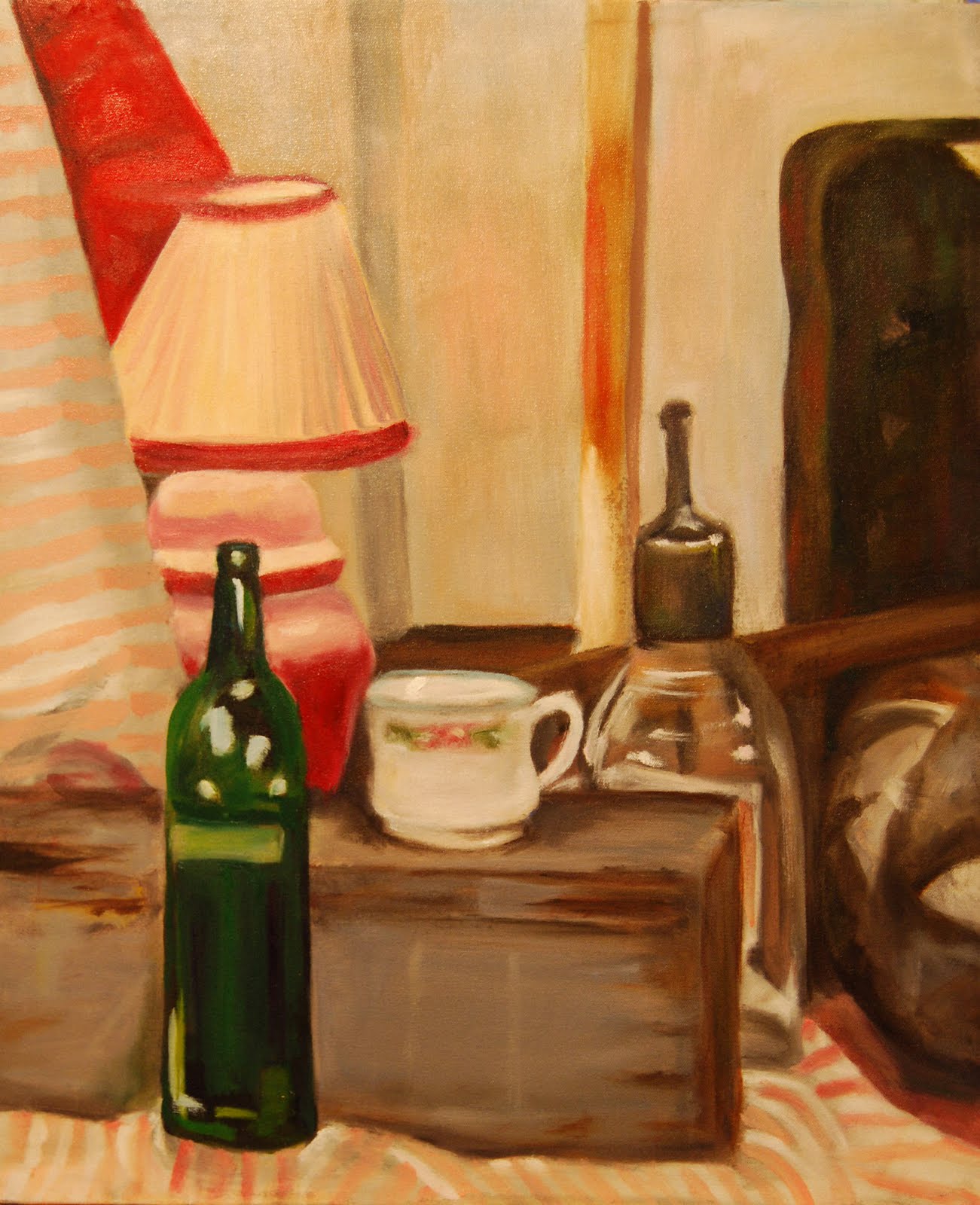
I finally painted a piece in my oil painting class that I’ll sign 🙂
Art School Cupboard

If you’ve ever taken a college art class, you know one of the drills is that the instructor cleans out the art closet and makes an arrangement of all kinds of junk that has collected over the years. Usually this includes an assortment of empty wine bottles, some plaster body parts, fake produce, ugly lamps, rusty objects and who-knows-what else. We worked on this for days.